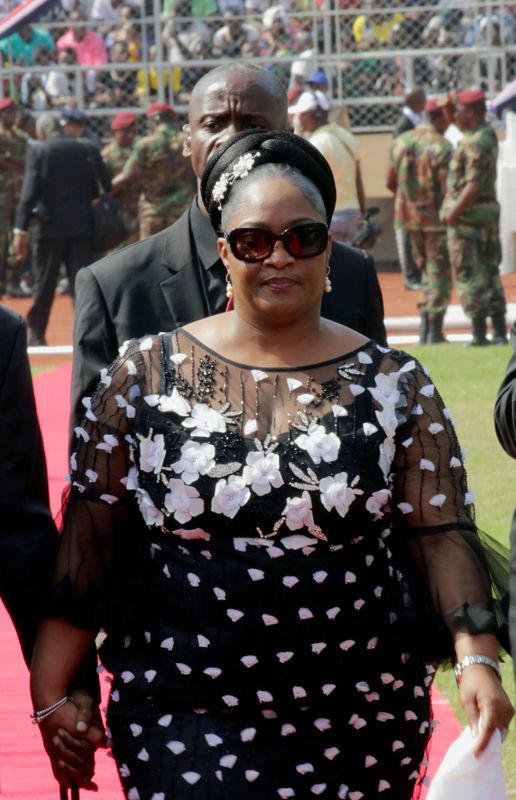
Liberia's former vice president charged in investigation of transnational drug ring, government says
When a former vice president is charged in connection with an alleged transnational narcotics network, the implications extend far beyond one individual.
The charges against Liberia’s former Vice President Jewel Howard-Taylor remain allegations, and she is entitled to due process and the presumption of innocence. But the case highlights a broader institutional risk: transnational criminal organizations rarely operate at scale without attempting to exploit, corrupt, or penetrate government institutions.
Preventing that requires more than honest leaders. It requires resilient systems:
• Independent investigators and prosecutors
• Effective financial-intelligence and anti-money-laundering controls
• Strong internal-affairs and inspector-general functions
• Judicial oversight and protection from political interference
• Secure reporting channels for whistleblowers
• Continuous vetting, auditing, and accountability for public officials
No institution should depend solely on the integrity of the people currently in power. Effective checks and balances must be strong enough to identify misconduct, follow the evidence, and hold individuals accountable—regardless of title, political influence, or personal connections.
The real measure of institutional strength is not whether corruption is attempted. It is whether the system can detect it, confront it, and respond without fear or favor.